
What Is Endpoint Protection? A Guide for Business Owners
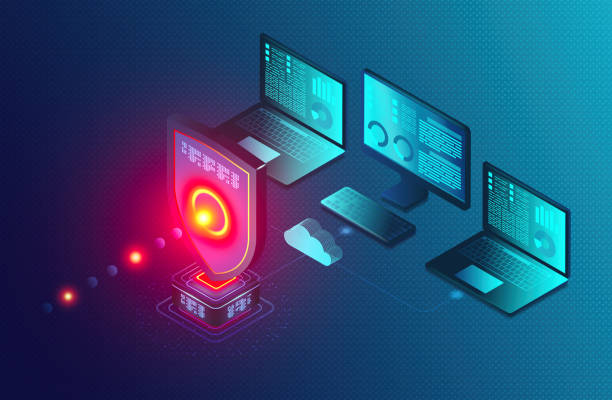
Your business depends on technology every day, but every laptop, desktop, smartphone, and tablet connected to your network also creates another potential entry point for cybercriminals. Endpoint protection helps secure those devices, making it an essential part of protecting your business from today’s evolving cyber threats.
Most business owners understand the importance of antivirus software, but today’s cyberattacks are more sophisticated than ever. Ransomware, phishing attacks, and other threats often require more than traditional antivirus software to keep your business protected. If you’ve heard the term “endpoint protection” but aren’t exactly sure what it means, you’re not alone. Here’s what it is, how it works, and why it’s an important part of a strong cybersecurity strategy.
What Is Endpoint Protection?
Endpoint protection is a cybersecurity solution designed to protect the devices connected to your business network, also known as endpoints. Unlike traditional antivirus software, it continuously monitors those devices for suspicious activity instead of simply scanning for known viruses.
By identifying unusual behavior that could signal a cyberattack, it can respond before the threat has a chance to spread. This added security layer helps defend against malware, ransomware, phishing attacks, and other threats that could disrupt your business operations.
What Is an Endpoint?
An endpoint is any device that connects to your company’s network. Every endpoint represents a potential entry point for cybercriminals if it isn’t properly protected.
Common business endpoints include:
- Desktop computers
- Laptops
- Smartphones
- Tablets
- Servers
- Remote employee devices
As businesses continue to embrace cloud applications, mobile technology, and hybrid work environments, the number of endpoints continues to grow. Every connected device is another piece of your business that deserves protection.
How Does It Work?
Think of endpoint protection as an extra layer of security that’s always working in the background. Rather than waiting for a known virus to appear, it continuously watches for suspicious activity. If a device suddenly begins encrypting files, accessing sensitive information unexpectedly, or communicating with an unfamiliar source, it can detect that behavior and respond before it affects the rest of your network.
Many solutions also provide IT teams with a centralized dashboard to monitor protected devices, making it easier to identify potential issues, investigate alerts, and respond quickly when something doesn’t look right.
Endpoint Protection vs. Antivirus
Traditional antivirus software focuses on identifying and removing known viruses. While it’s still an important part of your cybersecurity strategy, today’s threats often use techniques that basic antivirus software wasn’t designed to catch.
Endpoint protection goes a step further by combining antivirus with real-time monitoring, behavioral analysis, automated threat detection, and response capabilities. In simple terms, antivirus helps remove threats after they’re identified, while endpoint protection is designed to detect and stop many attacks before they can cause significant damage.
Why It Matters for Your Business?
Cybercriminals don’t only target large corporations. Businesses of every size are targets because they rely on technology to operate, and a single compromised device can quickly impact an entire organization. The result can be costly downtime, lost productivity, financial loss, or unauthorized access to sensitive business data.
Endpoint protection helps businesses:
- Detect cyber threats in real time
- Protect remote and hybrid employees
- Reduce the risk of ransomware attacks
- Prevent malware from spreading across the network
- Minimize costly downtime
- Strengthen overall cybersecurity
Protecting every connected device helps reduce risk, improve resilience, and keep your business running securely.
Common Cyber Threats Endpoint Protection Can Help Stop
Modern endpoint protection is designed to help defend against a wide range of cyber threats, including:
Malware
Malware is malicious software that can damage systems, steal sensitive information, or interrupt daily business operations.
Ransomware
Ransomware encrypts files and demands payment to restore access. By identifying suspicious activity early, endpoint protection helps reduce the likelihood of ransomware spreading throughout your network.
Phishing Attacks
Many cyberattacks begin with a phishing email. If an employee unknowingly clicks a malicious link or opens an unsafe attachment, this additional layer of security can help detect suspicious activity before it becomes a much larger problem.
Fileless Attacks
Not every cyberattack relies on traditional malware files. Some attackers exploit legitimate software already running on a device, making these attacks harder for basic antivirus software to detect. Because endpoint protection monitors behavior instead of relying solely on virus signatures, it’s better equipped to identify these threats.
What Should You Look for in a Solution?
Not every solution offers the same level of security. When evaluating your options, look for features such as:
- Real-time threat detection
- Behavioral monitoring
- Automated threat response
- Centralized device management
- Ransomware protection
- Continuous security updates
The right solution should strengthen your overall cybersecurity strategy while making it easier to manage and protect every device connected to your business.
Does Your Business Need Endpoint Protection?
If your employees use computers, laptops, smartphones, cloud applications, or work remotely, the short answer is yes. Every connected device represents another potential entry point for cybercriminals, making endpoint protection an important part of reducing risk and keeping your business productive.
Whether you’re a growing business with a handful of employees or an established organization with hundreds of users, protecting your endpoints helps support business continuity, safeguard sensitive data, and strengthen your overall cybersecurity strategy. While it’s a critical layer of defense, it’s most effective when combined with other security measures.
Building a Layered Cybersecurity Strategy
No single cybersecurity solution can stop every threat. The strongest security strategies combine multiple layers of protection that work together to reduce risk before an attack happens.
Endpoint protection is one important layer, but it works best alongside other security measures, including:
- Multi-factor authentication (MFA)
- Email security
- Security awareness training
- Reliable data backups
- Regular software updates
- Network monitoring
Together, these layers create a stronger security posture, helping your business prevent attacks, reduce risk, and recover more quickly if an incident occurs.
Protect Your Business with Epoch IT
Cybersecurity isn’t just about responding to threats after they happen—it’s about putting the right protections in place before they have the opportunity to impact your business.
At Epoch IT, we help businesses build stronger cybersecurity strategies with endpoint protection, managed IT services, network monitoring, backup solutions, and ongoing support. Our goal is to reduce risk, improve security, and keep your technology working reliably, so you can stay focused on running your business.
If you’re unsure whether your current cybersecurity tools are providing the protection your business needs, our team is here to help.