Critical PHP Vulnerabilities: What Businesses Need to Know
The recent discovery of two PHP vulnerabilities has raised concerns in the cybersecurity community. While many business owners may not be familiar with PHP, the websites and online applications they use every day often rely on it behind the scenes.
On October 21, researchers publicly disclosed two serious PHP security flaws that could allow hackers to access affected web servers without a username or password. Known as PHP2Shell, these vulnerabilities have led to warnings from the Cybersecurity and Infrastructure Security Agency (CISA) and Google Cloud, along with recommendations to install security updates as soon as possible.
So, what does this mean for your business, and who should be concerned?
What Is PHP and How Does It Work?
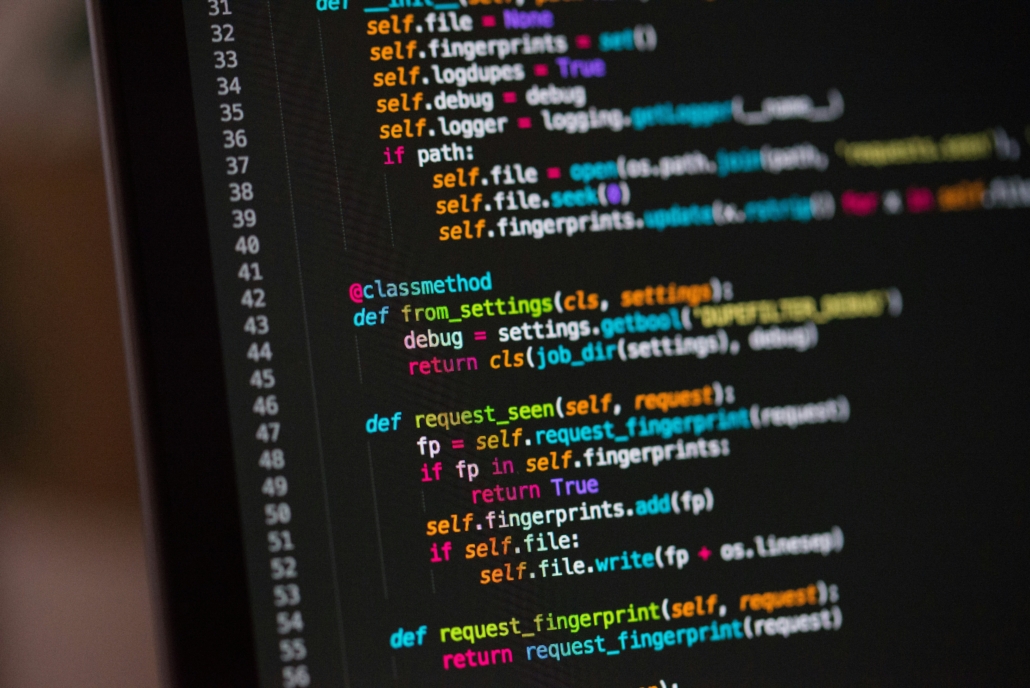
Many websites use PHP, a programming language that helps handle functions that go beyond displaying information. For example, when someone fills out a contact form, logs into an account, or schedules an appointment online, PHP may be part of what makes that possible.
Most business owners don’t need to know much about PHP or how it works. However, if their website relies on it, security problems with the software could affect the website and the information it handles.
What Are the PHP2Shell Vulnerabilities?
Researchers found the two vulnerabilities, CVE-2026-109618 and CVE-2026-109619, in PHP itself, rather than in a particular website plugin or application. Depending on how a company configures its website or server, these flaws could allow hackers to run malicious code or access information they shouldn’t be seeing. That could lead to stolen data, problems with website functionality, or access to other connected systems.
Both vulnerabilities received a severity rating of 9.2 out of 10, making them critical security concerns that require immediate attention. CISA has recommended that organizations check whether they’re using affected versions of PHP and install the necessary security updates.
The PHP project has released updates for supported versions, including 8.2.35, 8.3.36, 8.4.27, and 8.5.12, but businesses using PHP 8.1 or earlier may need to take additional steps. Those older versions no longer receive official security updates, so upgrading or working with a software provider may be necessary.
Now, this doesn’t mean that every website will be affected by these vulnerabilities. Some hosting providers may have already installed the updates, while others may still need to address the issue. The important thing is to find out whether your website has been checked.
How AI Helped Discover the PHP Vulnerabilities
Artificial intelligence also played a part in discovering these vulnerabilities. According to Google Cloud, researchers at Wiz used AI tools to help examine the software, find the security flaws, investigate possible attacks, and test whether the fixes worked.
For cybersecurity researchers, tools like these can make it easier to examine large amounts of code and find problems that might otherwise take much longer to identify. The concern is that hackers may have access to similar technology. If so, they may use it to find weaknesses in software as well.
This could change how quickly researchers discover security problems and hackers exploit them. Businesses may have less time to respond once a vulnerability becomes public, particularly if hackers are already looking for ways to take advantage of it.
Could the PHP Vulnerabilities Affect Your Business?
If your business has a website, it may use PHP without you even knowing it. Again, that doesn’t automatically mean there’s a problem. But it’s worth finding out which version of the software your website uses and whether any updates are needed.
Start by contacting whoever manages your website. This could be your web developer, hosting provider, internal IT team, or outside technology company. Ask whether your website uses PHP and if it has been checked for the PHP2Shell vulnerabilities.
If an update is needed, they should be able to explain what needs to happen and whether it could affect any of your website’s features. In some cases, an older website may need additional work before it can support a newer version of PHP.
Website maintenance is also something that can be easy to overlook. Most businesses think about updating their website when they need to change information, add a service, or improve its appearance. But the software behind the website needs attention, too, even when everything seems to be working fine.
Why Regular Software Security Updates Matter
The problem with vulnerabilities like PHP2Shell is that businesses may have no obvious reason to suspect anything is wrong. A website can continue working normally while the software behind it contains a security flaw that hackers could potentially exploit.
Software updates help address these problems, but keeping track of them isn’t always simple. Some updates are routine, while others require immediate attention because of the risks involved.
This can be especially challenging for small and mid-sized businesses that rely on several different technology providers. One company may manage the website, another may handle hosting, and an internal employee or outside IT provider may be responsible for other business systems. When several providers share these responsibilities, important updates can fall through the cracks.
With so many different systems and providers involved, it’s important for businesses to know who’s responsible for what. When researchers discover a new security threat, there shouldn’t be any confusion about who’s checking for problems or making sure the necessary updates are completed.
How Epoch IT Can Help Protect Your Business
The PHP2Shell vulnerabilities are a good example of why businesses need to pay attention to the software running behind their websites and applications. Even if everything appears to be working normally, there may be security issues that need to be addressed.
Of course, most business owners aren’t going to spend their days checking software versions or reading cybersecurity alerts. And they shouldn’t have to. But someone needs to be responsible for keeping track of these things, especially when a serious vulnerability is discovered.
At Epoch IT, we help businesses manage their technology and stay on top of potential security concerns. That includes reviewing systems for weaknesses, helping address security risks, and working with businesses to make sure they understand what needs attention.
Our cybersecurity services give businesses practical support without making technology more complicated than it needs to be. We work with organizations to understand their needs and help them make decisions about protecting their systems and information.
If you haven’t checked with your website or hosting provider about the recent PHP vulnerabilities, now is a good time to do so. To learn more about protecting your business, contact Epoch IT to see how we can help.
Building the Standard
Not sure what level of IT support your organization needs? Talk with our team about a plan built for reliability, security, and long-term growth.
Schedule a Free Consultation