The Cybersecurity Risks Small Businesses Tend to Overlook
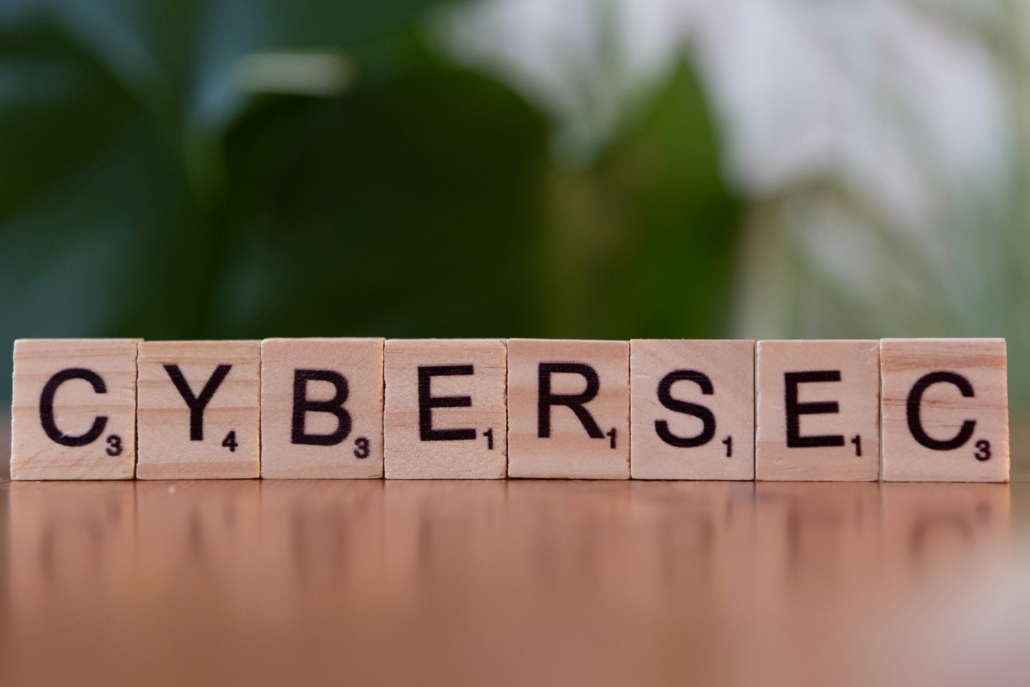
October is Cybersecurity Awareness Month, making it a great time to review how your business protects its systems, employees, and information. While major cyberattacks often make headlines, some of the most common cybersecurity risks are much closer to home than you think.
Outdated software, forgotten user accounts, suspicious emails, and untested backups can all create vulnerabilities that go unnoticed during daily operations. For small and mid-sized businesses, keeping up with these details can be challenging, especially when employees are busy, resources are limited, and technology needs continue to change.
The good news is that improving cybersecurity doesn’t always require major changes. Often, it starts with paying closer attention to the systems and practices your business already has in place.
Why Small Businesses Overlook Cybersecurity Risks
Most businesses understand the importance of cybersecurity. The challenge is finding the time and resources to keep up with everything it takes to maintain a secure IT environment. Between managing daily operations, supporting employees, and planning for growth, routine technology maintenance can easily move down the priority list. A software update gets postponed, an old account remains active, or a backup system continues running without anyone checking whether the data can actually be restored.
Individually, these issues may seem minor. Over time, however, they can create security gaps that leave important systems and information exposed. That’s why effective cybersecurity involves more than just responding to threats. It requires consistent attention to the everyday details that help keep an organization’s technology secure and dependable.
Outdated Software and Devices
We’ve all clicked “Remind Me Later” on a software update. It’s easy to postpone an update, especially when you’re in the middle of something important. Delaying updates for too long, however, can create more than an inconvenience.
Software developers regularly release updates to address security vulnerabilities, resolve problems, and improve performance. When businesses continue using outdated software or unsupported devices, they may leave known security weaknesses unaddressed.
Older equipment can create additional challenges, particularly when it no longer supports current operating systems or security tools. Regularly reviewing your organization’s software and devices can help identify systems that need attention. Keeping applications updated, replacing unsupported equipment, and planning for future technology needs are all key to maintaining a secure, reliable IT environment.
Employee Access and Forgotten Accounts
When someone joins your organization, setting up access to email, applications, and shared files is usually a priority. But what happens when that employee changes roles or leaves the company?
Old accounts or unnecessary permissions can easily remain in place, especially as businesses grow or responsibilities change. An employee who moves to another department may still have access to information they no longer need. An account belonging to someone who left the company months ago could remain active without anyone realizing it. These situations can create unnecessary security risks.
Managing user access should be an ongoing process, not something that happens only when a new employee starts. Regular account reviews, appropriate permissions, and consistent procedures for employee departures help businesses maintain better control over who can access their systems and information.
Multi-factor authentication (MFA) adds another important layer of protection. By requiring an additional verification step, such as a code from an authentication app or approval through a notification, MFA helps protect accounts even if a password is compromised.
Phishing and Everyday Security Habits
Not every cybersecurity threat involves sophisticated technology. Sometimes, it starts with an email that looks like an ordinary request. It might be a message from a familiar vendor asking about an invoice, an unexpected password reset notification, or a request from a coworker who needs information right away. Cybercriminals often use these familiar situations to make phishing attempts more convincing.
Even employees who understand basic cybersecurity practices can overlook warning signs, especially when they’re busy or responding to something urgent. A convincing email can lead someone to click a malicious link, open an unsafe attachment, or share sensitive information. Employees need to know how to recognize suspicious activity, verify unexpected requests, and report potential threats.
Ongoing cybersecurity awareness training helps reinforce these habits. Regular reminders, practical examples, and open communication can help employees make safer decisions and keep cybersecurity top of mind throughout the year.
Backups That Have Never Been Tested
Backups are an important part of protecting your organization’s information, but having a backup doesn’t necessarily mean you can recover your data when you need it. A backup system may appear to be working properly, yet problems can go unnoticed until someone needs to restore a file, application, or entire system.
Imagine discovering during an unexpected outage that your most recent backup is incomplete or that restoring critical systems could take much longer than anticipated. That’s not the time you want to find out something isn’t working.
Regular backup reviews and recovery testing help businesses confirm that important information is protected and can be restored when needed. It’s also important to understand which systems are most critical to daily operations and how quickly they need to be available again.
A well-planned backup and disaster recovery strategy goes beyond protecting copies of data. It helps organizations prepare for disruptions and make informed decisions about recovery and business continuity.
Why Cybersecurity Requires Ongoing Attention
Cybersecurity isn’t something businesses can address once and consider finished. Technology changes, employees come and go, new applications are introduced, and security threats continue to evolve. Practices that worked well a year ago may need to be reviewed as an organization’s technology environment and business needs change.
That’s why a proactive approach matters. Regular system maintenance, security monitoring, employee training, and periodic reviews can help identify potential vulnerabilities before they create larger problems. Just as importantly, ongoing IT management gives businesses an opportunity to plan improvements rather than constantly reacting to issues as they arise.
The goal isn’t to eliminate every possible risk. It’s to create a more secure, dependable technology environment that supports employees, protects important information, and keeps business operations moving.
Where Should Your Business Start?
Improving cybersecurity doesn’t mean you have to address everything at once. A good place to start is by looking at the systems and practices your organization already relies on. Are your devices and applications up to date? Do employees have access only to the information they need? Does your team know how to recognize suspicious requests? Have you tested your backups recently? Answering these questions can help identify areas that need attention and guide decisions about what to prioritize next.
Cybersecurity Awareness Month is a timely reminder to review your organization’s security practices, but protecting your business requires attention throughout the year.
At Epoch IT, we help small and mid-sized businesses build secure, dependable IT environments through proactive IT management, cybersecurity services, and practical technology guidance. We work with organizations to identify risks, strengthen security practices, and develop solutions that support their daily operations and long-term goals.
Ready to take a closer look at your organization’s cybersecurity?
Schedule a Free Consultation to learn how Epoch IT can help you identify potential vulnerabilities and strengthen your cybersecurity approach.
Building the Standard
Not sure what level of IT support your organization needs? Talk with our team about a plan built for reliability, security, and long-term growth.
Schedule a Free Consultation